
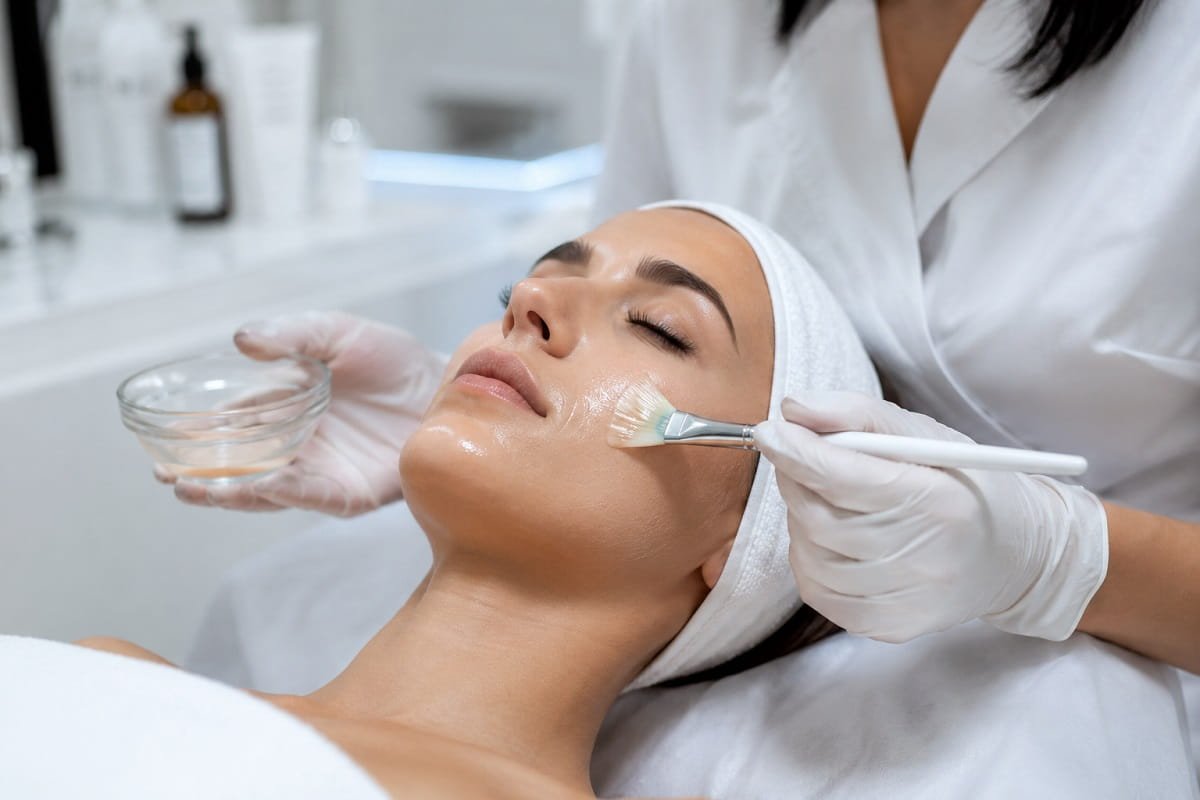
If you’ve been considering a chemical peel, you’ve probably noticed there isn’t just one type — there are several strengths, each designed for different skin concerns and skin types. Choosing the wrong one can mean lackluster results at best, or irritation and discoloration at worst. Choosing the right one can mean smoother texture, fewer breakouts, and brighter, more even-toned skin.
Here’s what you need to know about chemical peel strengths, how to match one to your skin, and what to expect from the process.
What Is a Chemical Peel?
A chemical peel uses an acid-based solution to exfoliate the outer layers of skin, encouraging dead skin cells to shed and revealing fresher, smoother skin underneath. Depending on the type and strength, peels can help with:
- Acne and clogged pores
- Hyperpigmentation and dark spots
- Uneven texture and dullness
- Fine lines and early signs of aging
- Acne scarring
The results aren’t just cosmetic on the surface — many peels also stimulate cell turnover and, with repeated treatments, collagen production.
The Three Peel Strengths
Chemical peels generally fall into three categories based on how deeply they penetrate the skin. Understanding the differences helps set realistic expectations for results and downtime.
1. Superficial (Light) Peels
Superficial peels use mild acids — like glycolic, lactic, or salicylic acid — to exfoliate only the outermost layer of skin. They’re popular because they require little to no downtime.
Best for: Mild dullness, light acne, uneven tone, or as a maintenance treatment between deeper procedures.
Downtime: Minimal — some light flaking for a day or two, but most people can return to normal activities immediately.
2. Medium Peels
Medium-depth peels, often using trichloroacetic acid (TCA), penetrate further into the skin. They address more visible concerns like deeper pigmentation, moderate sun damage, and acne scarring.
Best for: More noticeable discoloration, textural irregularities, and acne scars that haven’t responded to lighter treatments.
Downtime: Several days of visible peeling and redness. Most people plan for some social downtime.
3. Deep Peels
Deep peels penetrate the deepest layers of skin and produce the most dramatic results, but they’re far less common in med spa settings due to the intensity of the treatment and recovery.
Best for: Significant sun damage, deep wrinkles, or pronounced textural concerns — typically used selectively and under close medical supervision.
Downtime: Extended — often a week or more of peeling, redness, and sensitivity.
Matching Peel Strength to Your Skin Type
Picking the right peel isn’t just about the concern you’re treating — it’s also about how your specific skin type will respond.
- Oily or acne-prone skin tends to do well with salicylic acid–based peels, which penetrate oil and unclog pores.
- Dry or sensitive skin generally responds better to gentler options like lactic acid, which exfoliates while also drawing in moisture.
- Aging or sun-damaged skin often benefits from TCA or combination peels that target both pigmentation and fine lines.
A Note on Skin of Color
Skin of color requires extra consideration when it comes to chemical peels. Because melanin-rich skin is more prone to post-inflammatory hyperpigmentation (PIH) — dark marks that can form after irritation or injury to the skin — peel strength and acid type need to be selected carefully. Overly aggressive peels, or ones not suited to deeper skin tones, can sometimes cause more discoloration than they resolve.
This is one of the biggest reasons working with a provider experienced in treating diverse skin tones matters. The right approach can deliver real results — brighter, more even skin — without the risk of new pigmentation issues.
What to Expect During and After Treatment
During the treatment: Most peels cause a tingling or warming sensation as the solution is applied. Stronger peels may cause more noticeable discomfort, but this typically subsides quickly.
After treatment: Depending on strength, you may notice redness, tightness, or visible peeling over the following days. Skin will be more sensitive to sun exposure during this time.
Pre- and post-care tips:
- Avoid retinoids and other exfoliating products for several days before your appointment
- Wear sunscreen daily before and after treatment — non-negotiable, especially for skin of color
- Avoid picking at peeling skin, which can increase the risk of scarring or discoloration
- Keep skin moisturized during the healing process
Why Professional Guidance Matters
It’s tempting to try at-home peel kits, but over-the-counter products are formulated at much lower concentrations and don’t account for your individual skin type, tone, or sensitivity. A professional consultation allows your provider to assess your skin, discuss your goals, and recommend the peel strength and acid type that will get you results safely.
This is especially true if you have a history of hyperpigmentation, keloid scarring, or sensitive skin — all important factors a trained provider will evaluate before recommending treatment.
FAQ
How do I know if a peel is too strong for my skin?
Signs a peel may be too aggressive include excessive redness, blistering, prolonged peeling beyond the expected timeframe, or new dark spots after healing. A professional consultation helps avoid this by matching strength to your skin’s tolerance.
Can I get a chemical peel if I have melanin-rich or darker skin?
Yes. Many peels are safe and effective for skin of color when the right acid type and strength are selected. Working with a provider experienced in treating diverse skin tones is key to minimizing the risk of post-inflammatory hyperpigmentation.
How many sessions will I need to see results?
This depends on the concern and peel strength. Superficial peels often require a series of treatments for cumulative results, while medium peels may show more dramatic change after just one or two sessions.
How long does downtime really last?
Superficial peels: little to none. Medium peels: typically 5–7 days of visible peeling. Deep peels: a week or more, with extended sensitivity.
Can I combine a chemical peel with other treatments?
In some cases, yes — but timing matters. Peels are often spaced apart from treatments like microneedling or laser to avoid over-irritating the skin. Your provider can help build a treatment plan that sequences these safely.
Is there an age requirement for chemical peels?
Most peels are intended for adult skin, though the right age to start depends on your specific concerns — acne-related peels, for example, may be appropriate earlier than peels targeting signs of aging.
The Bottom Line
Chemical peels can be a powerful tool for clearer, smoother, more even-toned skin — but only when the strength and acid type are matched to your unique skin type and concerns. Skipping a personalized consultation increases the risk of irritation or unwanted side effects, particularly for those with melanin-rich skin.
If you’re ready to find the right peel for your skin, a professional skin consultation is the best place to start.